
Small Project, Big Ambitions
What began as a pioneering patient-oriented research initiative, integrating Autistic adults into the research process as equal partners on the research team, has evolved into a movement influencing public policy, community programs, and now, the world of video games.
A new grant from the Canadian Institutes of Health Research (CIHR) is enabling the neurodivergent-led research team, known as the CONNECT Collective, to come together once again to co-design a video game aimed at reducing stigma and increasing acceptance of autism.
“Video games are a powerful tool for shaping public perceptions, yet representations of autism in games are often stereotypical or entirely absent,” said lead researcher Dr. Caroline Jose. “By designing this game in collaboration with Autistic individuals, we are ensuring that their voices and experiences are at the heart of the story, rather than being treated as an afterthought.”
Dr. Jose is also the mother of an Autistic son and is passionate about improving the lives of Autistic adults through research and advocacy.
For many years, the Autistic adult community has faced prejudice and discriminatory attitudes rooted in deficit-based views of autism. These perceptions have contributed to social and health inequities. Historically overlooked in both research and policy decisions in New Brunswick, Autistic adults were finally given a voice through the CONNECT project, which Dr. Jose launched in 2017 through the Maritimes SPOR SUPPORT UNIT (MSSU) to address critical knowledge gaps about this community.
CONNECT, which stands for CONtinuity of carE and support for autistiC adulTs, was the first project in Atlantic Canada to involve Autistic adults as full members of a research team. The project has since been recognized regionally and nationally as a best practice in patient engagement.
CONNECT – The Needs Assessment Survey
About the project
The CONNECT project (CONtiNuity of carE and support for autistiC adulTs) aimed to break down barriers and understand the everyday needs and challenges faced by Autistic adults. For those entering adulthood, medical, psychological, social, and community needs are numerous and varied. This growing population frequently reports difficulties in connecting with care and support during this transitional period, which can undermine the progress made during their childhood years. Through this unique project, decision-makers have access to a portfolio of evidence-based tools, created in collaboration with Autistic adults, their families and other knowledge users to improve the continuity of care and support for the Autistic community.
Objectives
- Assess the needs of Autistic adults via a survey; and,
- Share what we learned and best practices with health and social service providers, policymakers and the Autistic community.
What we learned
- Communiqué de presse MSSU Avril 2025 (PDF)
- Impact story (MSSU): New funding a ‘game changer’ for autism research in the Maritimes (Mar 28, 2025)
- Video: The CONNECT Research Video (external link)
- Video: The CONNECT Needs Assessment (external link)
- Peer-reviewed publication: The Associations Between Clinical, Social, Financial Factors and Unmet Needs of Autistic Adults: Results from an Observational Study (external link)
- Research article: “We are the stakeholders with the most at stake” (external link)
- Journal article: Strategies for Research, Practice, and Policy for Autism in Later Life (external link)
- News (MSSU): CONNECT conference presentations in 2019 (Nov. 6, 2019)
- News (MSSU): New video shares the experience of Autistic adults (Aug. 20, 2019)
- News (MSSU): CONNECT team gets creative to share findings in a video (Feb. 12, 2019)
- News (MSSU): The Autistic Adults Summit: a landmark event in the Autistic community narrative (Dec. 18, 2017)
- News (MSSU): Autism research led by autistics and their caregivers in the Maritimes (Sept. 17, 2017)
Discover more about the CONNECT Project on the MSSU webpage
These efforts contributed to policy developments, including the creation of New Brunswick’s Accessibility Act in May 2024, and enabled Autistic partners to develop their own peer-support initiatives, helping to fill service gaps and improve living conditions.
CONNECT – Ethical Autism Representation in Media

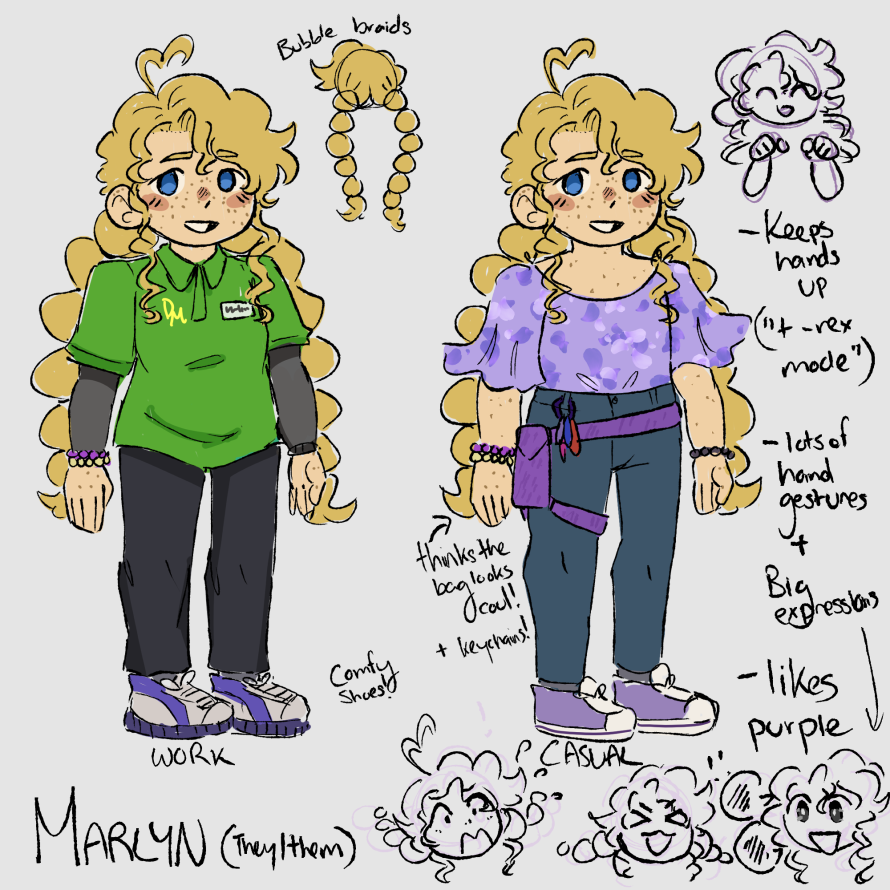
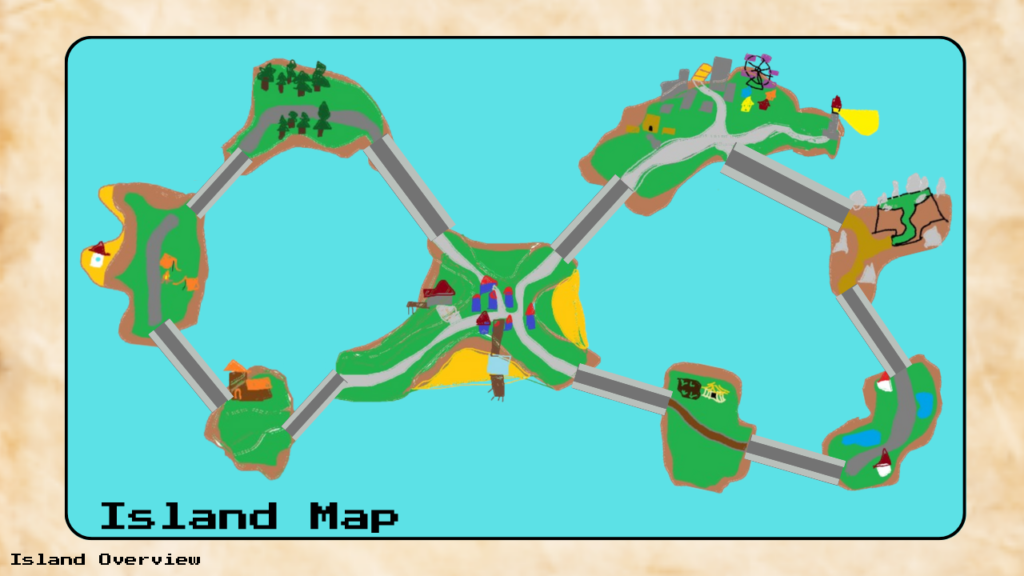
Building on the original knowledge translation products, the team is now co-designing a video game with Autistic individuals and game designers to create a framework for incorporating Autistic perspectives into video game development. This project serves as a proof of concept, bringing the principles and best practices of patient-oriented research into the video game industry, a rapidly growing sector with significant cultural influence on society.
Dr. Jose also acknowledges the unique challenges associated with using video games as a knowledge mobilization tool.
Beyond the impact of the game itself, this initiative is setting a precedent for how health research can influence broader societal systems. By developing a framework for meaningful engagement of Autistic individuals in game development, CONNECT is pushing the boundaries of patient-oriented research and addressing the social determinants of health upstream. This framework will serve as a model for ethical and inclusive representation in media, challenging systemic ableism and driving change within one of the most culturally influential industries.
“Our work goes beyond research,” said Dr. Jose. “It is about creating lasting change in the way society understands and supports Autistic people. This project will not only challenge misconceptions about autism and neurodiversity, but also pave the way for future collaborations between researchers and the gaming industry.”
The game will be available to the public and to professionals in 2027.
Laisser un commentaire